Beta Software
Beta software is a version of a program that is still being tested before its official release.
Companies share beta versions to get feedback from real users and catch bugs they might have missed. Beta software usually works, but it may have glitches or missing features. Using beta software means you get early access in exchange for a less polished experience.
What it looks like
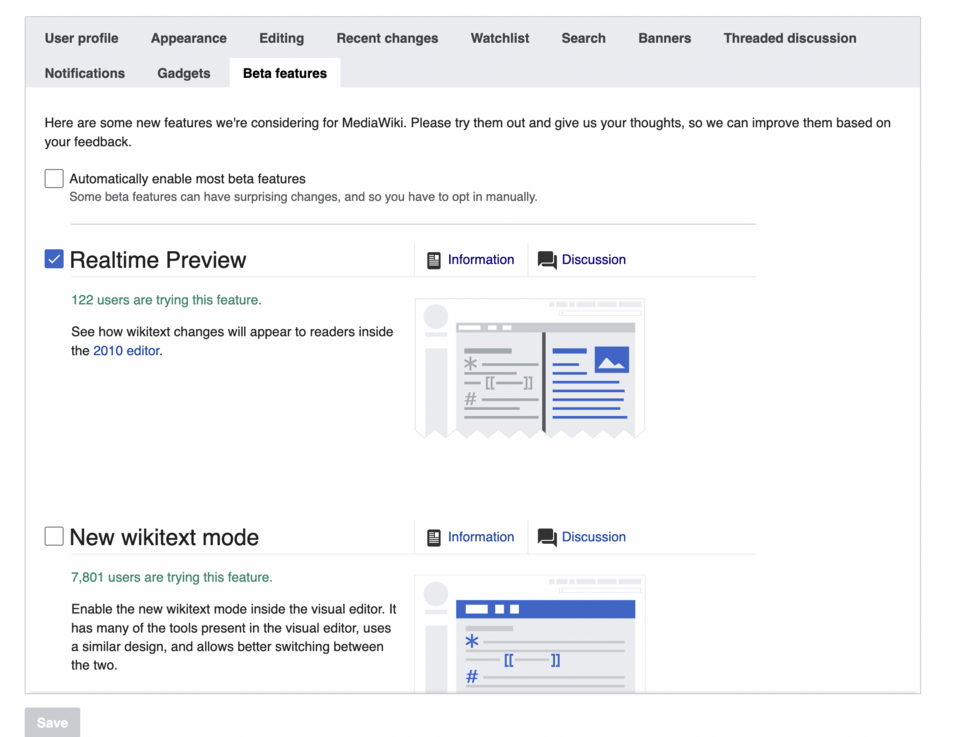
Beta Software, explained at three levels
At home
Beta software is like a movie preview — it is mostly finished, but the creators want feedback before the big release. When you sign up for a beta, you get to try new features before everyone else. The trade-off is that things might not work perfectly, and you might encounter bugs. Your feedback helps the developers make the final version better for everyone.
At work
In the workplace, participating in a beta program lets your team evaluate upcoming software features and provide feedback to the vendor. This can give your organization a head start on training and migration planning. However, beta software should not be used for critical business processes because stability is not guaranteed. IT departments typically run beta versions in a test environment separate from production.
At home
Beta software sits between alpha, which is tested internally by the development team, and the release candidate, which is nearly final. Open betas invite the general public, while closed betas limit access to selected testers. Beta testers often file bug reports and submit feedback through structured channels. Feature-complete betas focus on stability and polish, not adding new functionality.
At work
Enterprise beta programs offer strategic advantages, including early input on product direction and priority access to vendor engineering teams. Organizations joining vendor beta programs should establish clear testing protocols, designate specific testers, and maintain isolated environments to prevent beta instability from affecting production systems. Feedback from enterprise beta testing can influence the vendor's roadmap in ways that benefit your organization's use cases.
At home
From a development perspective, beta releases are managed through feature flags, staged rollouts, and telemetry collection. Crash reports, performance metrics, and user behavior analytics from beta populations help developers prioritize fixes. A/B testing during beta phases can validate design decisions with real user data. Continuous integration pipelines automate the promotion of beta builds through quality gates before reaching release candidate status.
At work
At an enterprise scale, beta participation should be governed by a testing policy that addresses data privacy, intellectual property, and non-disclosure agreements. Organizations must ensure beta software does not introduce compliance violations, especially in regulated industries. Risk assessments should evaluate the impact of beta software failures on dependent systems. Strategic beta participation can be a competitive advantage, but it requires disciplined testing frameworks and clear rollback plans.
Real-world examples
At home
Carlos signs up for the public beta of a new photo app on his phone. He gets to try AI-powered editing features weeks before they are officially released. When the app crashes while applying a filter, he submits a bug report, and the developers fix it before the public launch.
At work
Rachel, an IT lead at a mid-size firm, enrolls her team in the beta program for their project management tool's new update. They test the new reporting features in a sandbox environment and discover a formatting bug. Rachel reports it to the vendor, who fixes it before the update goes live for all customers.
Common confusions
- Some people are convinced that beta software is dangerous to use. Most betas from reputable companies are quite stable, though minor issues are expected.
- It's a common myth that beta means the software is free. Beta access may be free, but the final product often requires a purchase or subscription.
- It's often assumed that beta testers are unpaid workers. Beta testing is voluntary, and testers benefit from early access and influence over the final product.
For analysts
Beta programs can be a goldmine for requirements gathering. If your organization is evaluating a new tool, joining its beta lets your team test real workflows before committing budget. Set up a simple feedback log so testers can capture what works and what does not. This real-world input is far more valuable than vendor demos when making a final decision.
History & origin
The alpha-beta-release naming convention dates back to IBM's software development practices in the 1950s and 1960s. Alpha referred to internal testing, while beta meant external testing with real users. Over the decades, the concept expanded with public beta programs from companies like Apple and Google, letting millions of everyday users test new software before it officially launches.